
Print Design vs Digital Design
Understanding Print Design vs Digital Design
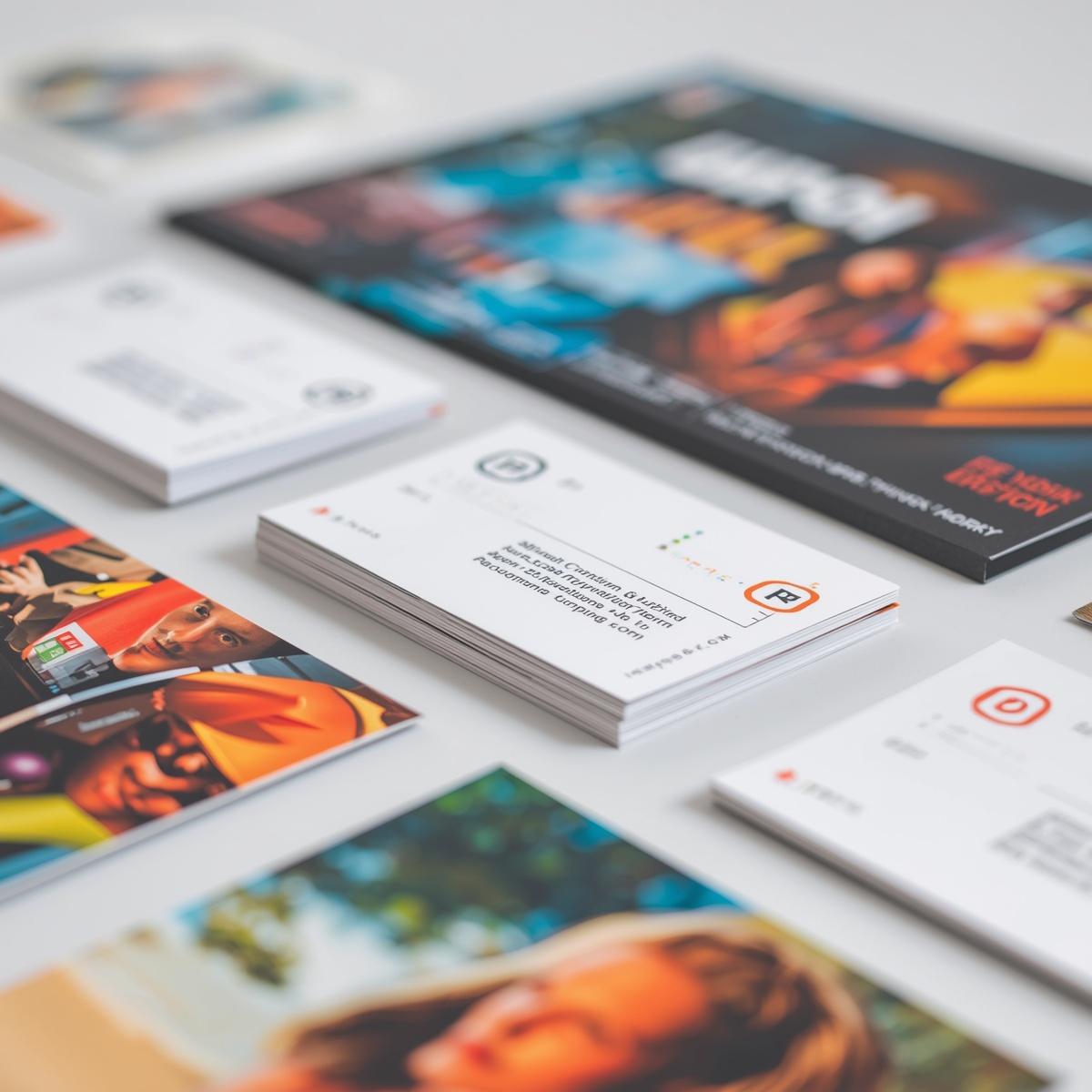
Print design and digital design serve different purposes and require different technical approaches. While digital design focuses on screens, print design is created for physical materials. Products such as Flyers, Business Cards, and Postersrequire print-specific design preparation to ensure high-quality results. Understanding these differences helps avoid costly mistakes.
Color Systems: CMYK vs RGB
One of the main differences between print and digital design is the color system. Digital design uses RGB for screens, while print design uses CMYK. Colors can appear differently when converted between these systems. Proper color setup ensures accurate printing.
Resolution Requirements
Print design requires higher resolution than digital design. Printed materials typically need 300 DPI for sharp results. Digital images are often lower resolution. High resolution is essential for print clarity.
File Formats and Preparation
Print files are usually prepared as PDFs with embedded fonts and images. Digital files may use formats like JPG or PNG. Print-ready files must include bleed and margins. Proper preparation ensures smooth production.
Layout and Dimensions
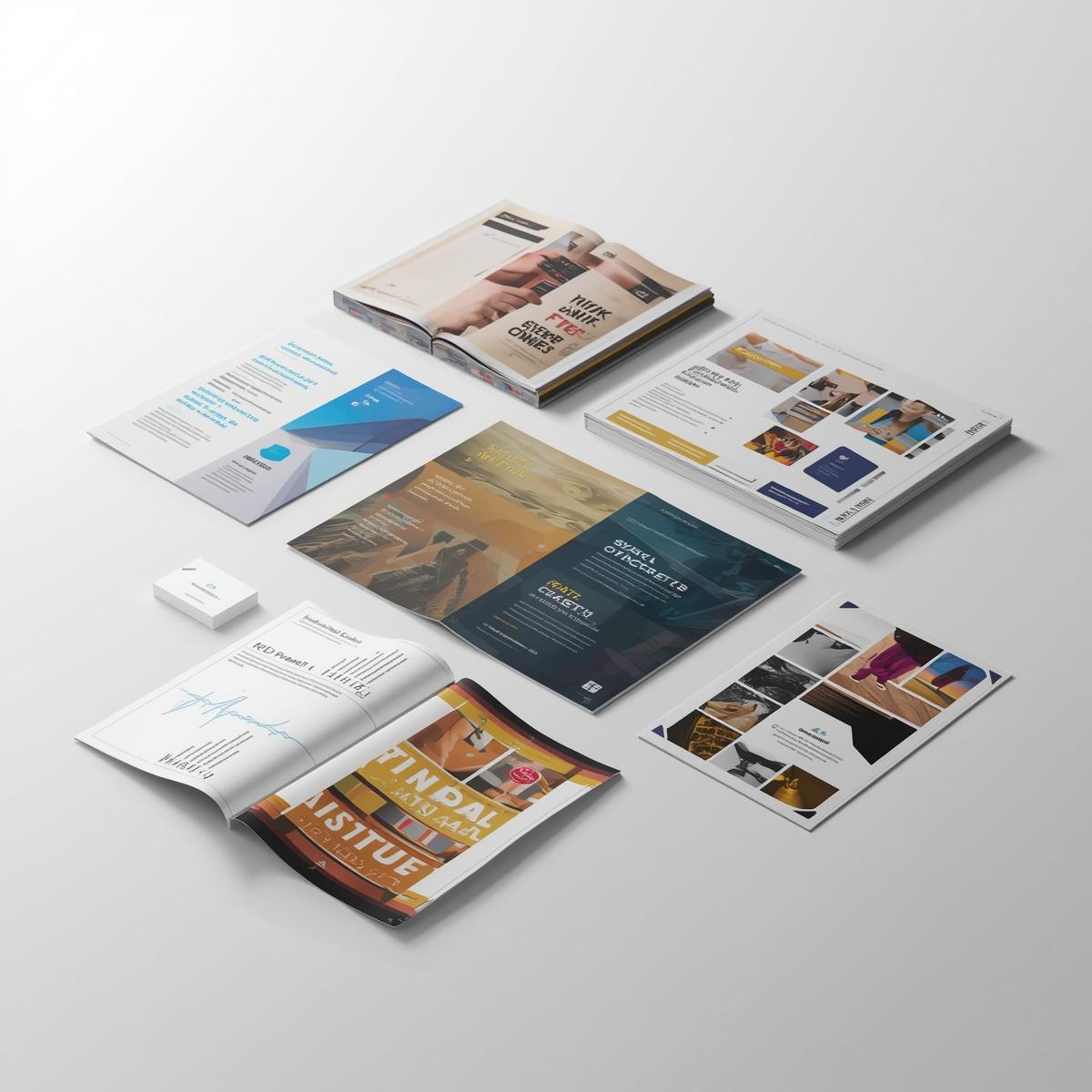
Print design uses fixed dimensions based on the final product size. Digital design is more flexible and responsive. Layout precision is critical in print. Accurate sizing prevents production issues.
Typography Considerations
Typography behaves differently in print compared to digital. Fonts must be readable at various sizes and distances. Print typography often requires careful spacing and alignment. Clear text improves usability.

Interaction vs Static Design
Digital design can include interactive elements such as animations and links. Print design is static and must communicate instantly. Clear messaging is essential in print. Simplicity improves effectiveness.
Material and Surface Impact
Print design must consider the physical material. Paper type, finish, and texture affect the final appearance. Digital design does not have this limitation. Material choice influences results.
Longevity and Use Case
Printed materials often have longer lifespans. Business cards, brochures, and packaging remain in physical form. Digital content can be quickly replaced or updated. Each format serves different marketing goals.
Integration of Print and Digital
Modern marketing often combines both formats. Print materials may include QR codes linking to digital content. Integration improves engagement. Combining both approaches maximizes reach.
Working with a Professional Printing Partner
Professional printers help adapt digital designs for print production. They ensure proper color, resolution, and file setup. Expert guidance prevents common issues.
Light Printing House helps businesses convert digital designs into high-quality printed materials nationwide.