
How to Design for Die-Cut Products
What Are Die-Cut Products
Die-cut products are printed items cut into custom shapes instead of standard rectangles or circles. This technique is commonly used for branding and creative packaging. Products such as Die-Cut Stickers, Die-Cut Business Cards, and Custom Packaging Boxes rely on precise cutting paths. Designing correctly ensures clean edges and professional results.
Why Design Preparation Is Important
Die-cut printing requires careful file setup. Unlike standard prints, die-cut designs must include cutting lines. Improper setup can lead to misaligned cuts. Accurate preparation ensures a high-quality finish.
Understanding the Die Line
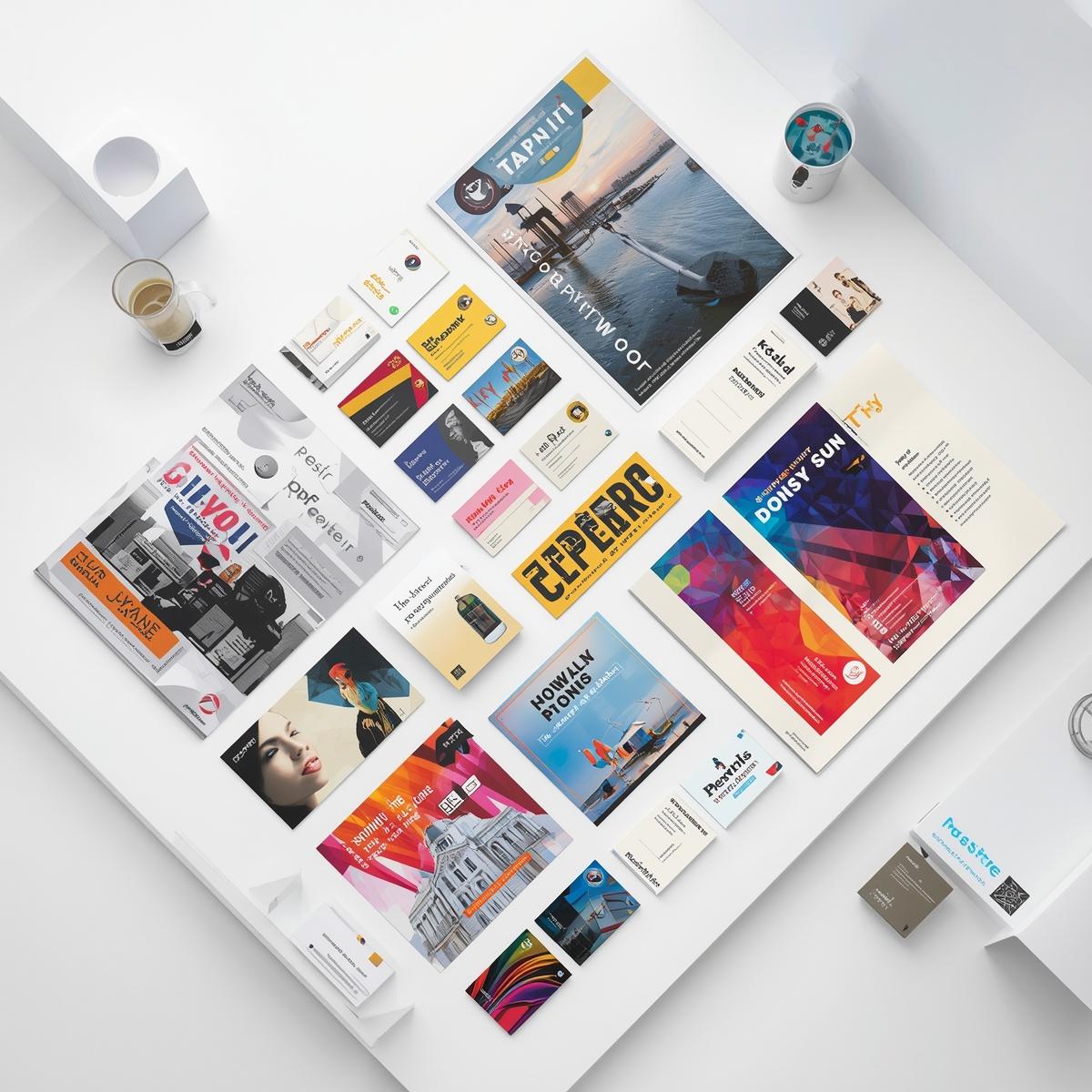
A die line is a vector path that defines where the product will be cut. It must be clearly marked in the design file. Designers typically place it on a separate layer. The die line guides the cutting process.
Adding Bleed for Die-Cut Designs
Bleed is essential for die-cut products. Artwork should extend beyond the die line to prevent white edges. Without bleed, slight shifts during cutting may reveal unprinted areas. Proper bleed ensures clean edges.
Safe Zones and Margins
Important elements such as text and logos should stay within safe zones. This prevents content from being cut off. Safe margins improve readability and design integrity. Proper spacing is critical.
Simplifying Complex Shapes
Highly complex shapes can create production challenges. Thin details may tear or not cut cleanly. Simplified shapes improve durability and consistency. Clean outlines produce better results.

Choosing the Right Material
Material choice affects how well the die-cut product performs. Vinyl is commonly used for durable stickers. Thicker cardstock works well for business cards. Material selection supports functionality.
Designing for Functionality
Die-cut designs should consider how the product will be used. Stickers should peel easily. Packaging should fold correctly. Functional design improves usability. Practicality enhances customer experience.
Testing and Proofing
Prototypes are important for die-cut products. Testing ensures that cuts align correctly with the design. Proofing helps identify potential issues. Adjustments can be made before full production.
Common Design Mistakes to Avoid
Common mistakes include missing die lines, insufficient bleed, and overly complex shapes. These issues can delay production or affect quality. Proper preparation prevents errors. Attention to detail ensures success.
Working with a Professional Printing Partner
Professional printers help designers prepare files for die-cut production. They ensure accurate cutting paths and proper setup. Expert support improves efficiency and results.
Light Printing House provides die-cut printing solutions for stickers, packaging, and custom products nationwide.