
How Print Finishes Affect Cost
Why Print Finishes Impact Pricing
Print finishes are one of the biggest factors affecting the final cost of a printing project. While standard printing focuses on ink and materials, specialty finishes require additional production steps, equipment, and labor. Products such as Foil Business Cards, Spot UV Business Cards, and Luxury Packaging Boxes often include premium finishes that increase production costs. Understanding these costs helps businesses make informed decisions when planning print projects.
What Are Print Finishes?
Print finishes are enhancements added after the primary printing process. They improve appearance, durability, or tactile appeal. Common examples include foil stamping, Spot UV, embossing, debossing, soft touch lamination, and edge painting. Each finish requires different production methods and resources.
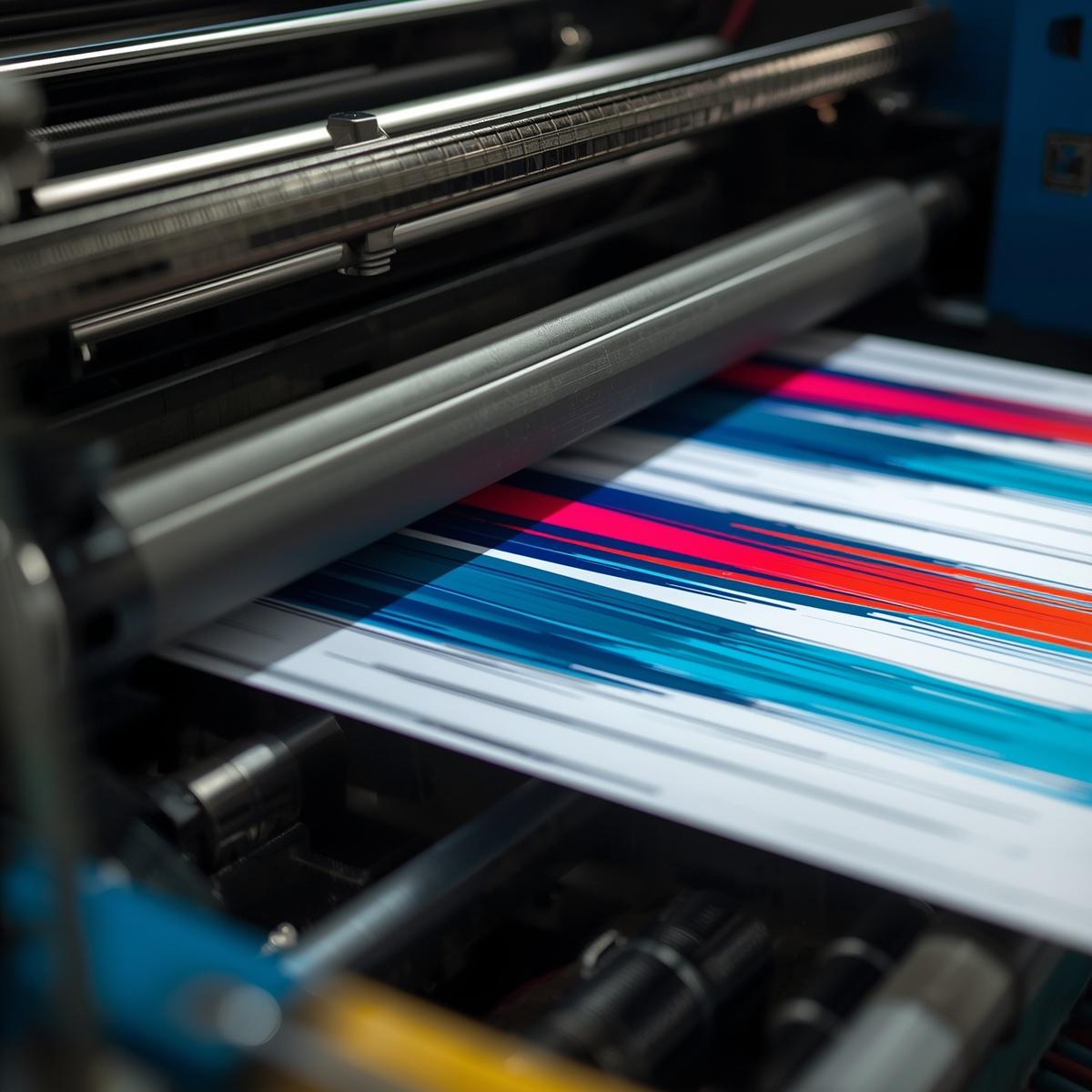
Basic Finishes vs Premium Finishes
Some finishes, such as standard matte or gloss coatings, add minimal cost. Premium finishes like foil stamping or embossing require custom dies and specialized equipment. The more complex the finish, the higher the production cost. Businesses should balance aesthetics with budget.
Foil Stamping and Production Costs
Foil stamping is considered a luxury finish because it requires custom metal dies and additional setup time. Gold foil, silver foil, and specialty foils all increase production expenses. However, foil stamping significantly enhances perceived value. Many premium brands view it as a worthwhile investment.

Spot UV and Additional Processing
Spot UV requires separate finishing processes and precise alignment. The glossy coating is applied only to selected areas of the design. This additional step increases production time and cost. Spot UV is commonly used for premium business cards and packaging.
Embossing and Debossing Expenses
Embossing and debossing require custom tooling to create raised or recessed effects. The cost depends on design complexity and material thickness. These finishes add a tactile element that customers associate with luxury. Textured printing often justifies higher pricing.

Soft Touch Lamination Costs
Soft touch lamination is more expensive than standard matte lamination because of the specialized film used. The velvety texture improves both feel and durability. Brands seeking a luxury presentation often choose this finish despite the additional cost.
Edge Painting and Specialty Finishes
Edge painting requires careful handling and precision application. Because it is performed after printing and cutting, it adds labor and production time. Specialty finishes like edge painting are typically reserved for premium business cards and marketing materials.
How Quantity Affects Finishing Costs
Print volume plays a major role in cost calculations. Setup costs are spread across more units in larger orders. As a result, specialty finishes become more cost-effective at higher quantities. Businesses ordering in bulk often achieve lower per-piece pricing.
Choosing the Right Finish for Your Budget
Not every project requires multiple premium finishes. Sometimes one well-executed finish creates more impact than several competing effects. Businesses should prioritize finishes that align with brand goals and customer expectations. Strategic finishing delivers better value.
ROI of Premium Print Finishes
Premium finishes increase perceived quality and improve customer impressions. While they add upfront costs, they can strengthen branding and improve marketing effectiveness. Luxury packaging and high-end business cards often generate stronger engagement because of their enhanced presentation.
Print Finishing Services in Los Angeles and Burbank
Businesses looking for professional print finishing in Los Angeles, Burbank, and across the United States benefit from working with experienced print providers. Proper finishing ensures quality, consistency, and long-term durability.
Light Printing House offers a wide range of print finishing services, helping businesses choose the right options for branding, packaging, and marketing materials.