
Food-Safe Printing Explained
What Is Food-Safe Printing
Food-safe printing refers to printing processes and materials that are safe for contact with food products. This is especially important for restaurants, bakeries, and beverage brands. Products such as Custom Printed Food Paper, Paper Cups, and Custom Napkins often require food-safe printing practices. Proper materials prevent contamination and protect consumer health.
Why Food Safety Matters in Printing
Food packaging and wrapping often come into direct or indirect contact with food. If improper inks or materials are used, contamination may occur. Food-safe printing helps prevent chemical migration. Safety standards protect both customers and brands.
Food-Safe Inks and Materials
Food-safe printing uses inks formulated to meet safety regulations. These inks reduce the risk of harmful substances transferring to food. Materials are carefully selected to ensure compliance. Safe materials support responsible packaging.
Direct vs Indirect Food Contact
Some printed materials directly touch food, such as wrapping paper. Others only come into indirect contact, like labels or packaging boxes. Each category requires specific material considerations. Understanding the difference helps ensure compliance.
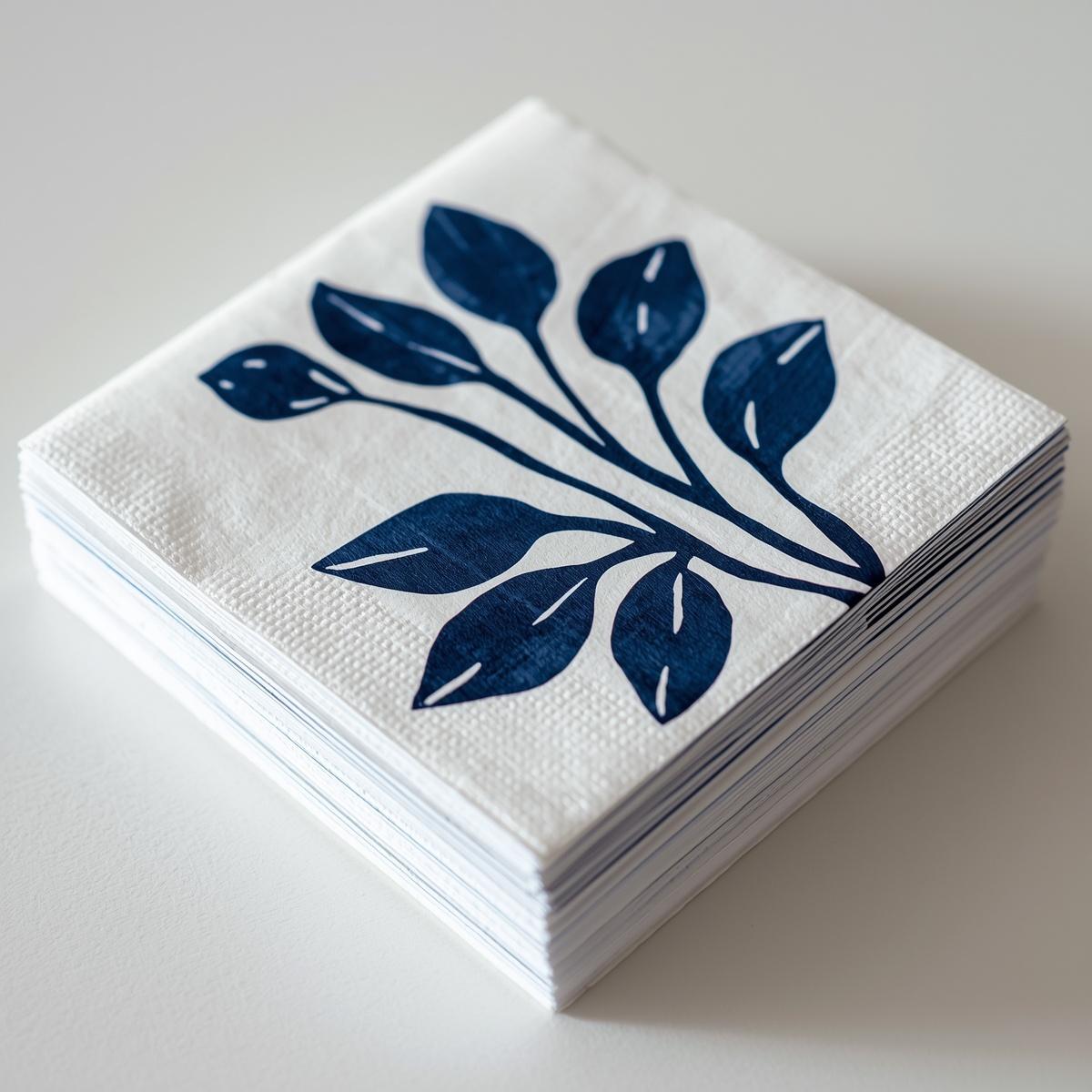
Common Food Packaging Applications
Food-safe printing is used in many industries. Bakeries use printed wrapping paper and labels. Coffee shops rely on printed cups and sleeves. Restaurants often print branded napkins and food paper.
Design Considerations for Food Packaging
Design must account for both safety and branding. Ink coverage and placement may affect food safety requirements. Proper design planning ensures safe and attractive packaging. Professional preparation improves results.
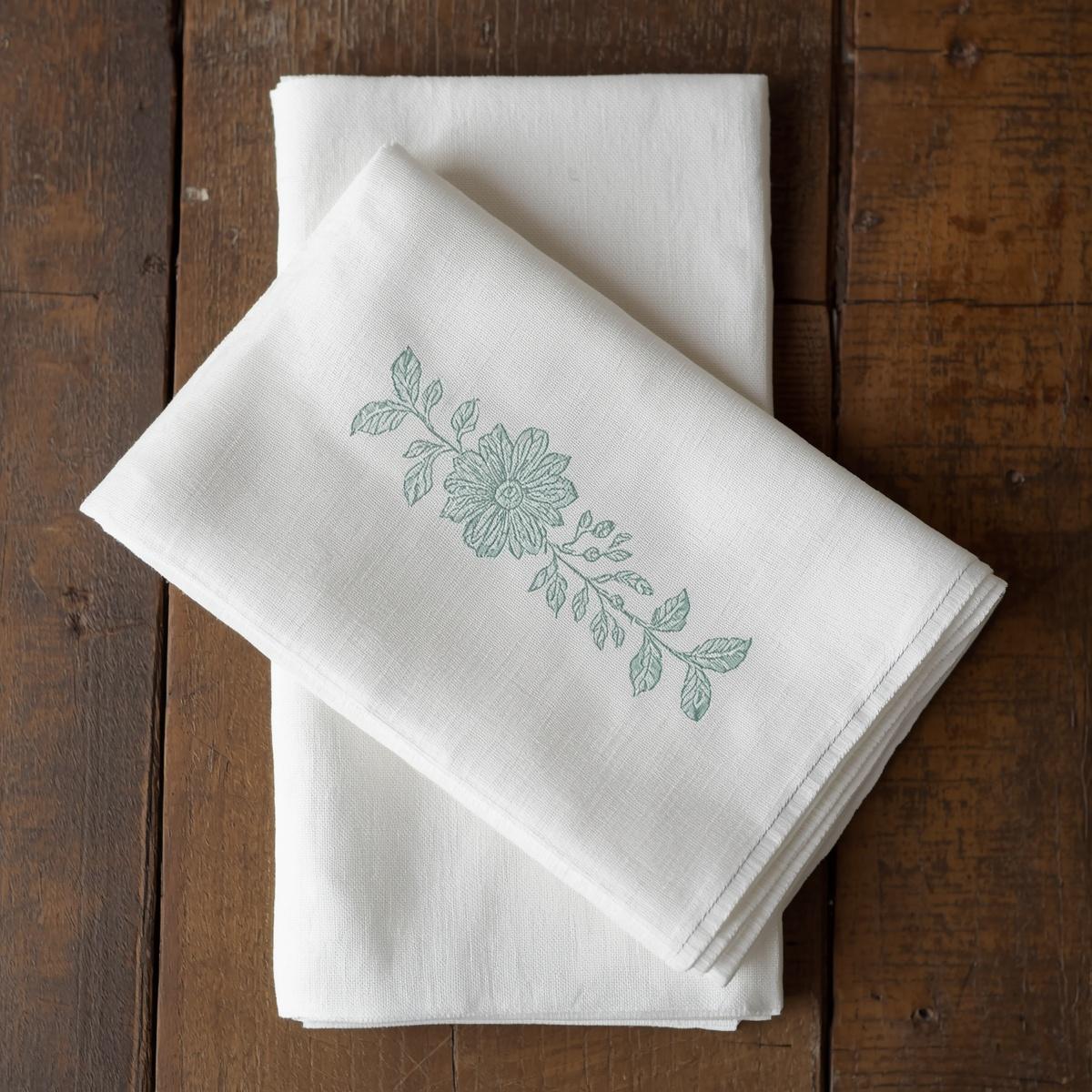
Regulatory Compliance
Food packaging must follow safety regulations. These standards vary depending on the region and application. Compliance protects businesses from legal risks. Responsible printing supports long-term credibility.
Sustainability in Food-Safe Printing
Many businesses combine food safety with eco-friendly materials. Recyclable papers and water-based inks are common options. Sustainable packaging appeals to modern consumers. Environmental responsibility strengthens brand reputation.
Durability and Performance
Food packaging materials must also perform well under real conditions. Grease resistance and moisture protection are important. Durable materials maintain integrity during handling. Functionality supports usability.
Working with a Professional Printer
Professional printers help businesses choose compliant materials and safe printing processes. They ensure packaging meets both safety and branding requirements. Expert guidance reduces risk.
Light Printing House provides food-safe printing solutions for restaurants and food brands nationwide.