
Embossing vs Debossing: What’s the Difference?
What Are Embossing and Debossing
Embossing and debossing are premium print finishing techniques that add texture and depth to printed materials. Embossing raises a design above the surface, while debossing presses it into the material. Products such as Business Cards, Packaging Boxes, and Labels often use these finishes to create a more sophisticated look. These techniques are commonly used in premium printing throughout Los Angeles, Burbank, and nationwide.
Why Texture Matters in Print Design
Textured finishes make printed materials feel more luxurious and memorable. Customers often associate raised or recessed details with quality. Adding dimension improves the tactile experience. Texture helps brands stand out in competitive markets.
How Embossing Works
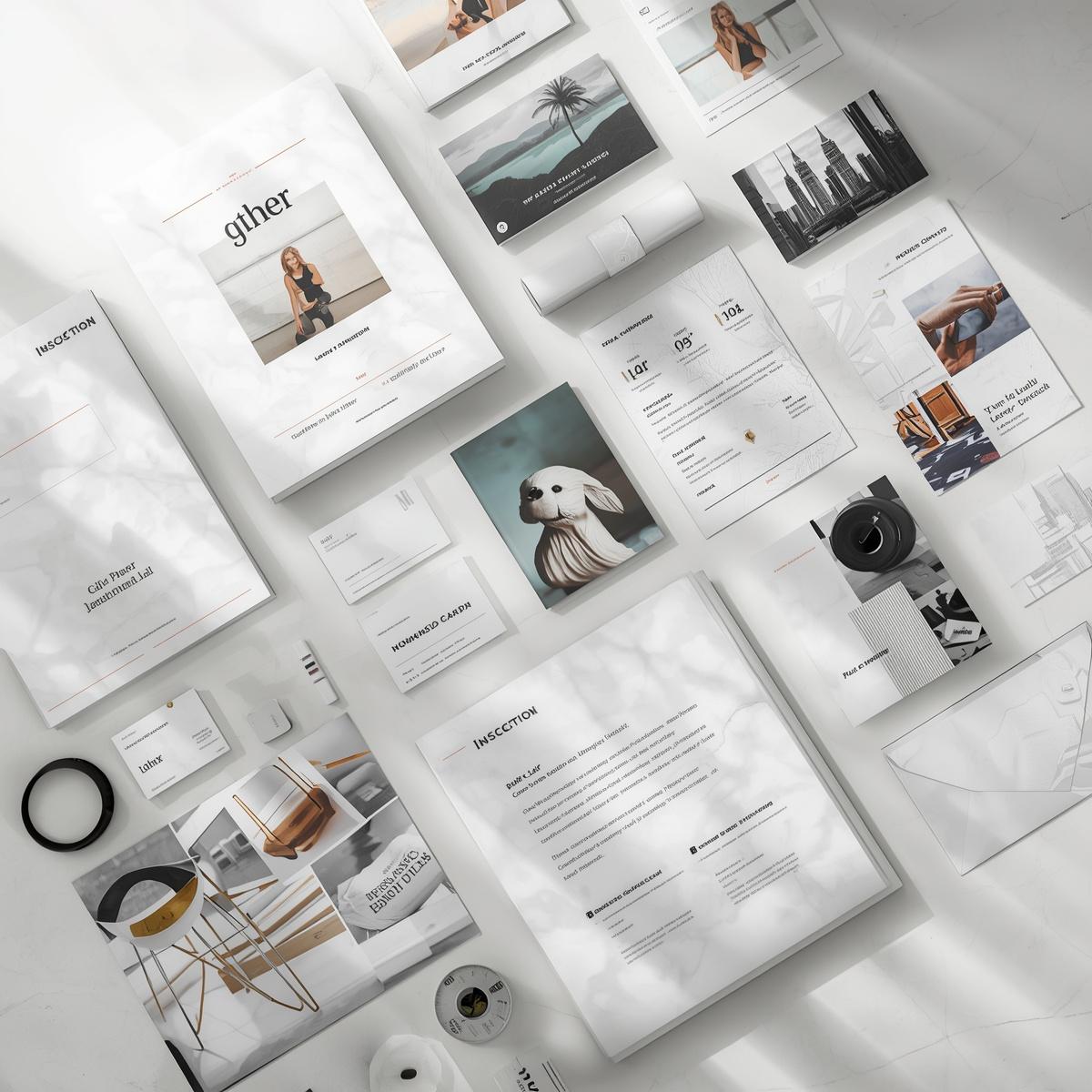
Embossing uses metal dies to press selected areas upward from the paper surface. This creates a raised effect that can be seen and felt. Embossing is often used for logos, names, and decorative patterns. Raised elements create a strong visual impression.
How Debossing Works
Debossing is the opposite of embossing. Instead of raising the design, it pushes the material inward. This creates a recessed effect that feels subtle and elegant. Debossing is commonly used for minimalist branding and premium packaging.
Embossing vs Debossing: Key Differences
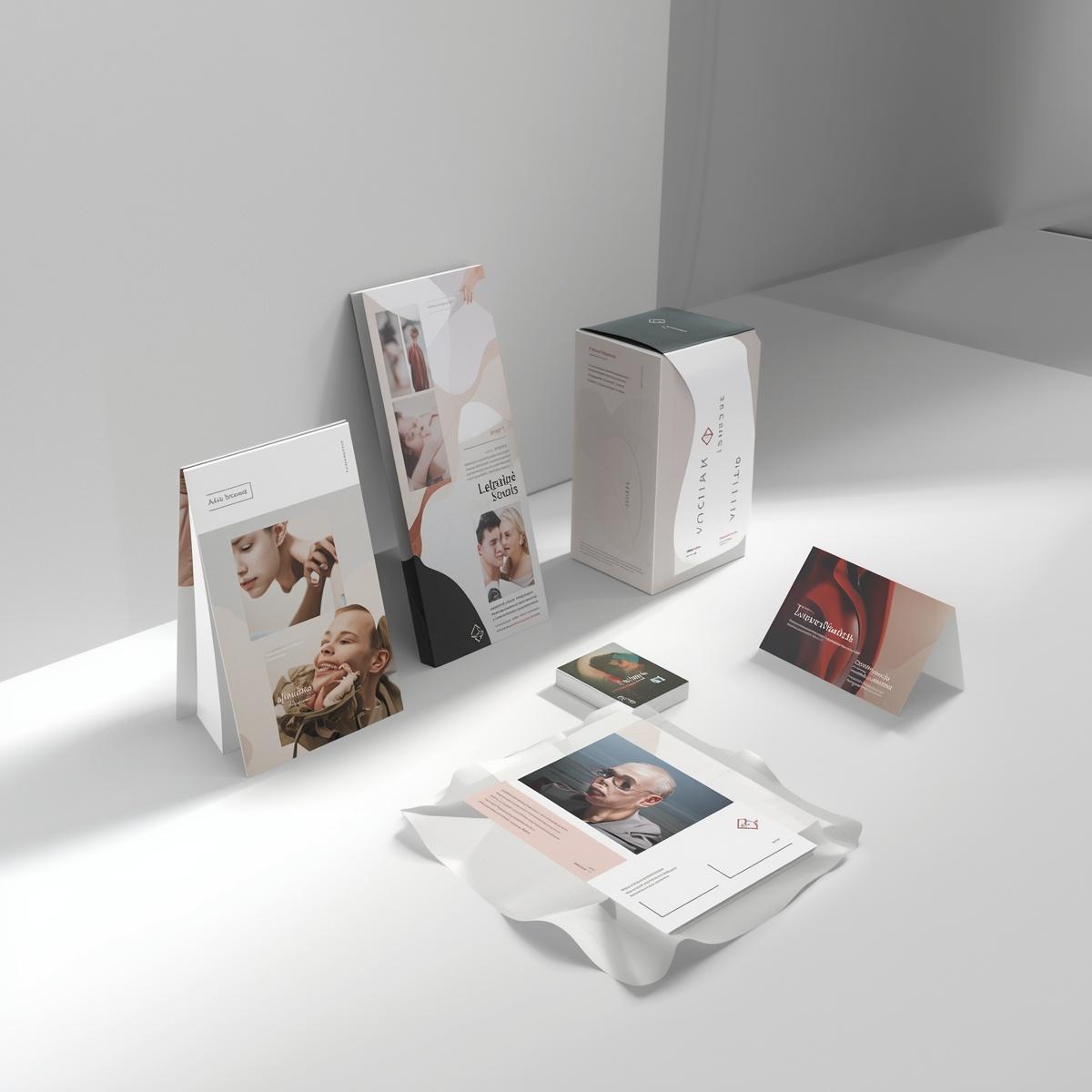
The main difference between embossing and debossing is the direction of the texture. Embossing raises the design outward. Debossing pushes it inward. Both techniques improve appearance and feel, but each creates a different visual style.
When to Use Embossing
Embossing is ideal when you want a design element to stand out. Raised logos and text attract attention immediately. Embossing works well for:
- Luxury business cards
- Premium packaging
- Invitations
- Certificates
This finish is best for bold and visible branding.
When to Use Debossing
Debossing is often used when a more understated and elegant look is preferred. Recessed logos create a subtle premium effect. Debossing works well on thick paper stocks and soft-touch materials. Minimalist brands often prefer debossing.
Combining Embossing or Debossing with Other Finishes
Both embossing and debossing can be combined with foil stamping or Spot UV. Combining multiple finishes creates a more luxurious design. These techniques work especially well together on packaging and business cards. Layered finishing increases perceived value.
Material Considerations
Thicker paper stocks produce better embossing and debossing results. Premium materials maintain texture more effectively. Soft-touch laminates can enhance the tactile experience. Paper selection is important for final quality.
Cost and Production Factors
Embossing and debossing require custom dies, which increases production cost. However, the premium appearance often justifies the investment. Businesses use these finishes selectively for maximum impact. High-end brands benefit most from textured printing.
Embossing and Debossing Services in Los Angeles and Burbank
Businesses searching for premium print finishing in Los Angeles, Burbank, and throughout the USA often use embossing and debossing for luxury branding. Professional print providers ensure clean texture and precise alignment.
Light Printing House offers embossing and debossing services for business cards, packaging, labels, and marketing materials nationwide.