
Coated vs Uncoated Paper: Pros and Cons Explained
Understanding Coated and Uncoated Paper
Coated and uncoated paper are two of the most commonly used paper types in commercial printing. Each option affects print appearance, texture, and usability. Products such as Brochures, Flyers, and Business Cardsoften use either coated or uncoated paper depending on the desired result. Understanding these differences helps ensure the right paper choice.
What Is Coated Paper
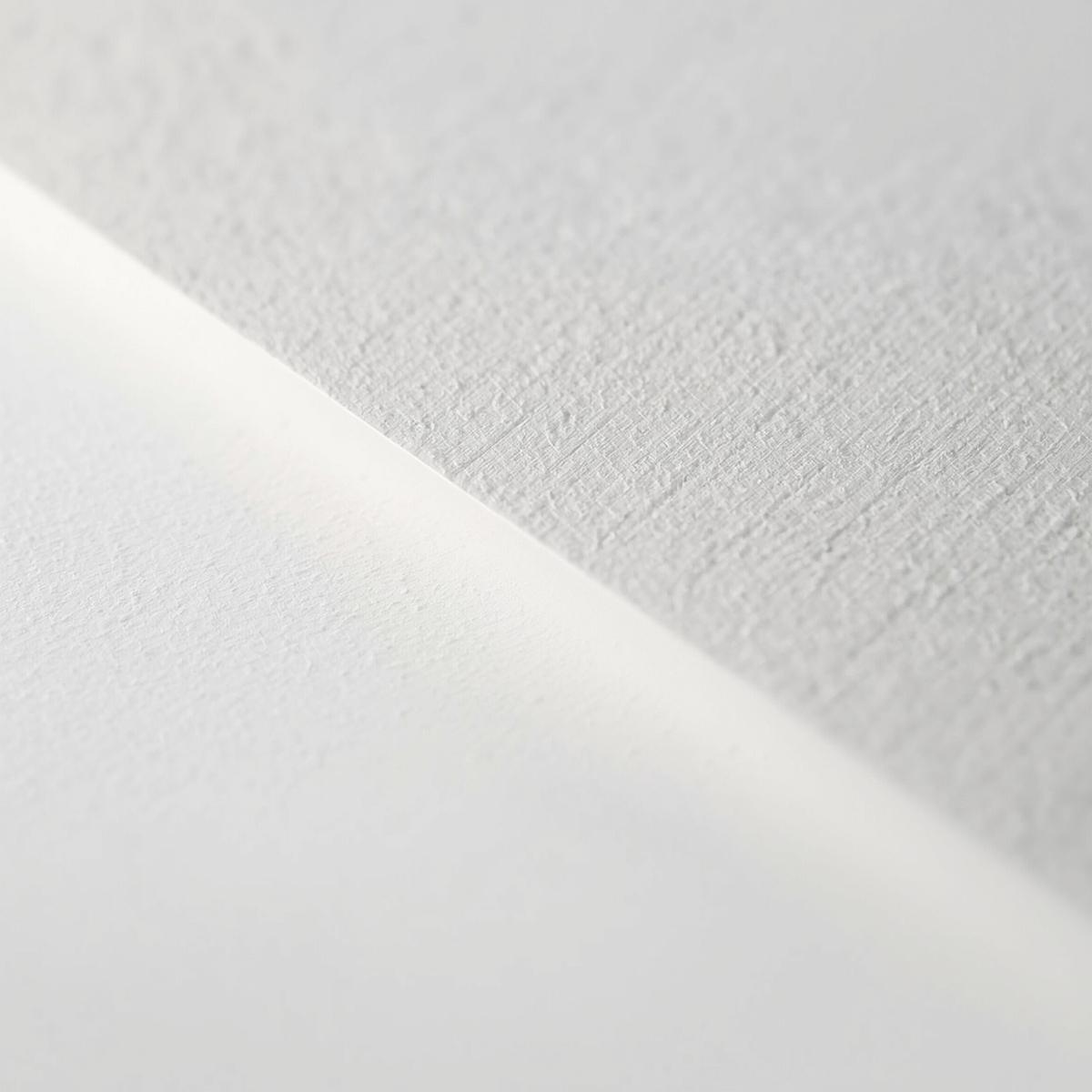
Coated paper has a smooth surface created by applying a coating layer. This coating enhances color vibrancy and image sharpness. Coated paper is often used for marketing materials that require strong visual impact. It provides a polished and professional look.
Advantages of Coated Paper
Coated paper allows ink to sit on the surface rather than absorb deeply. This results in brighter colors and sharper details. It is ideal for photographs and full-color designs. The smooth finish also adds durability.
Drawbacks of Coated Paper
Coated paper can be harder to write on. Fingerprints and glare may be more noticeable on glossy finishes. It may feel less natural for certain applications. These factors should be considered when choosing coated paper.
What Is Uncoated Paper
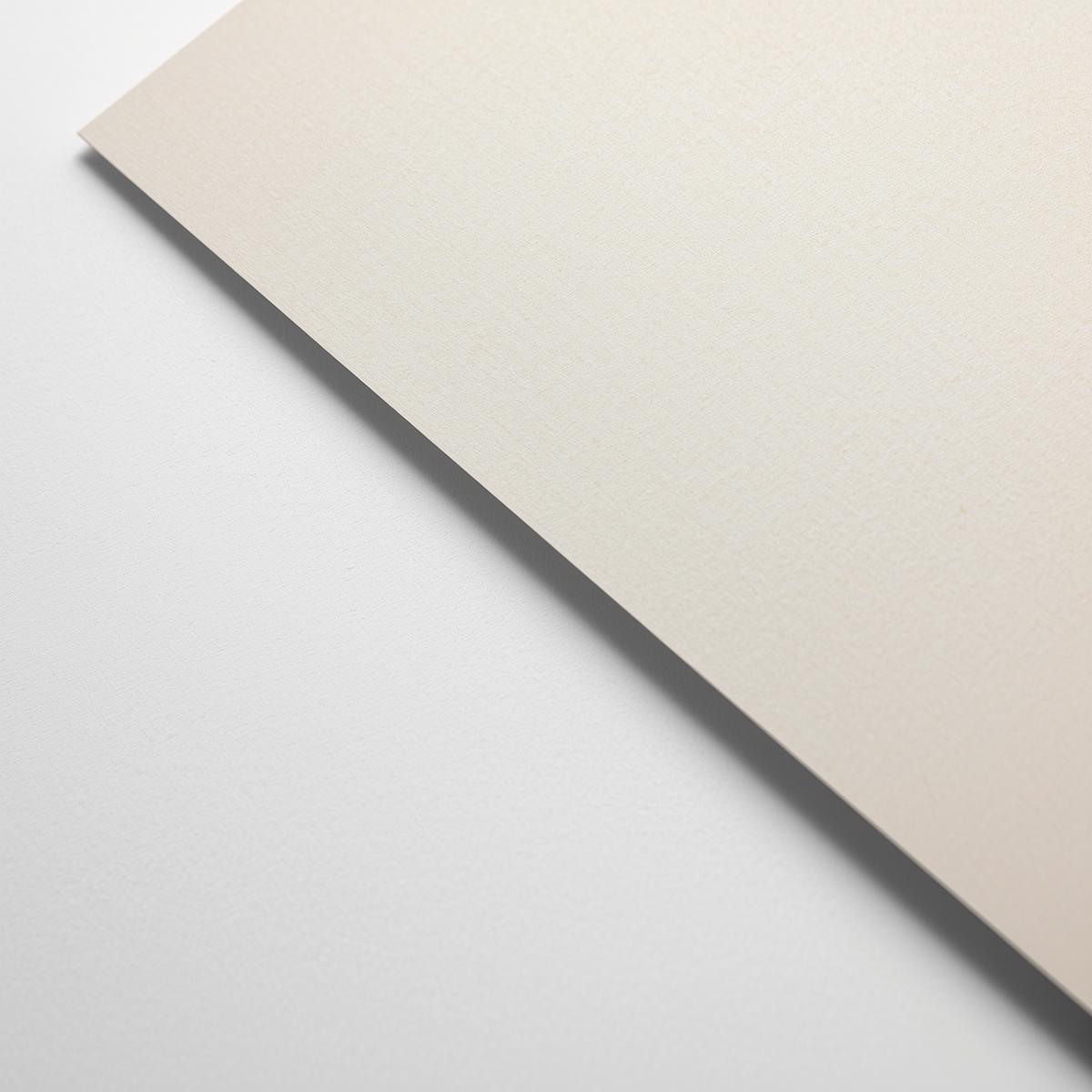
Uncoated paper has a natural, porous surface. It absorbs ink more readily, creating a softer appearance. Uncoated paper is commonly used for stationery and text-heavy documents. It offers a more organic feel.
Advantages of Uncoated Paper
Uncoated paper is easy to write on and has a tactile texture. It reduces glare and feels more natural. This paper type works well for minimalist designs. It supports a refined and understated look.
Drawbacks of Uncoated Paper
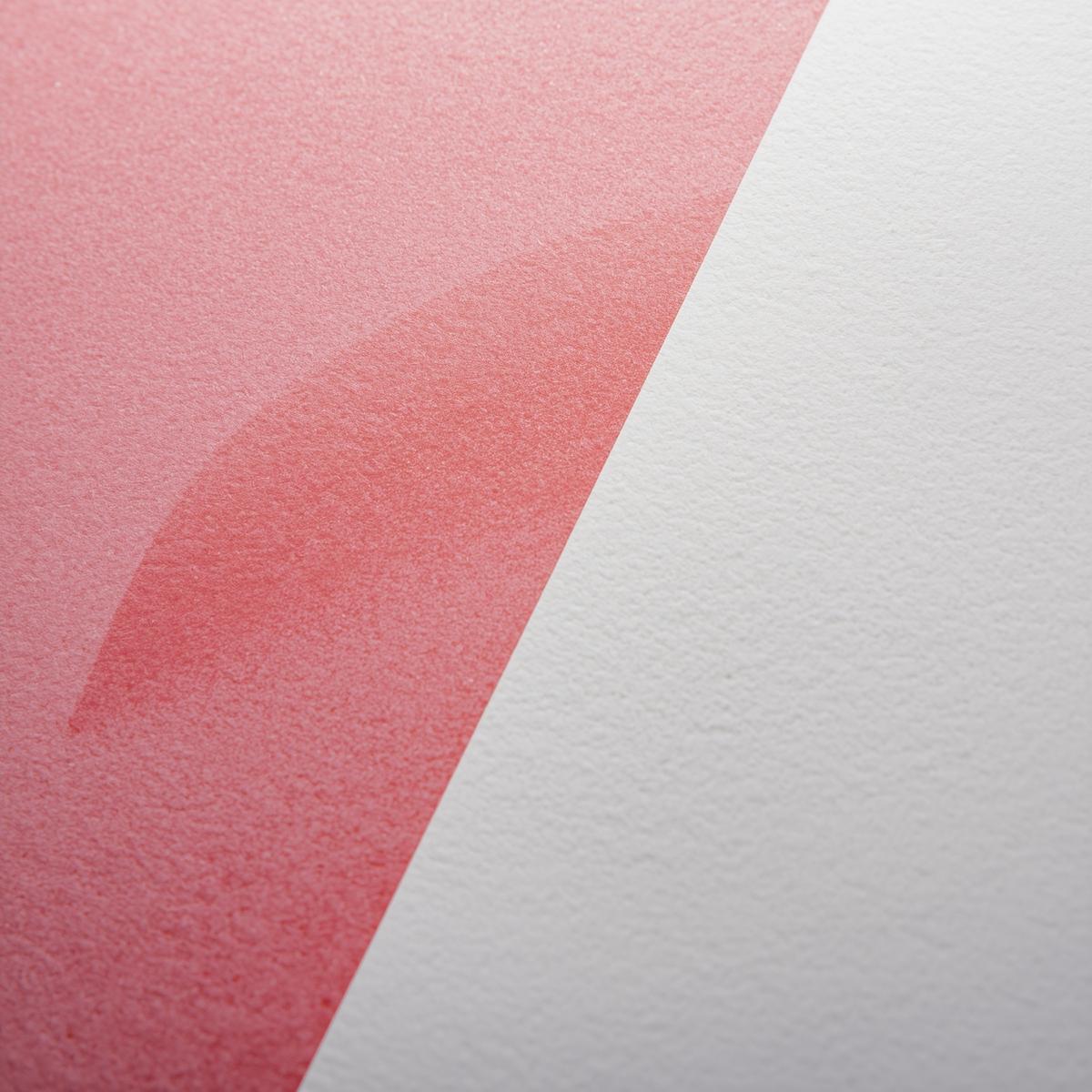
Colors may appear less vibrant on uncoated paper. Ink absorption can reduce sharpness. It may not be ideal for photo-heavy designs. Print results are more subtle.
Choosing the Right Paper for Your Project
Paper choice depends on purpose and brand style. Marketing materials often benefit from coated paper. Editorial or premium stationery may favor uncoated paper. Matching paper to design goals is essential.
Cost and Availability Considerations
Coated paper is often slightly more expensive due to the coating process. Uncoated paper may be more cost-effective for large runs. Availability varies by weight and finish. Budget plays a role in selection.
Working with a Professional Printer
Professional printers help recommend the best paper type. They consider design, use, and budget. Expert advice ensures optimal results.
Light Printing House helps businesses choose between coated and uncoated paper for nationwide printing projects.