
Folding Cartons vs Rigid Boxes: What’s the Difference?
Introduction to Folding Cartons and Rigid Boxes
Folding cartons and rigid boxes are two of the most common packaging structures used in custom packaging. Products like Tuck Top Boxes, Luxury Product Boxes, and Candle Packaging often rely on one of these formats. Each option serves different branding and functional goals. Understanding the differences helps businesses choose the right solution.
What Are Folding Cartons
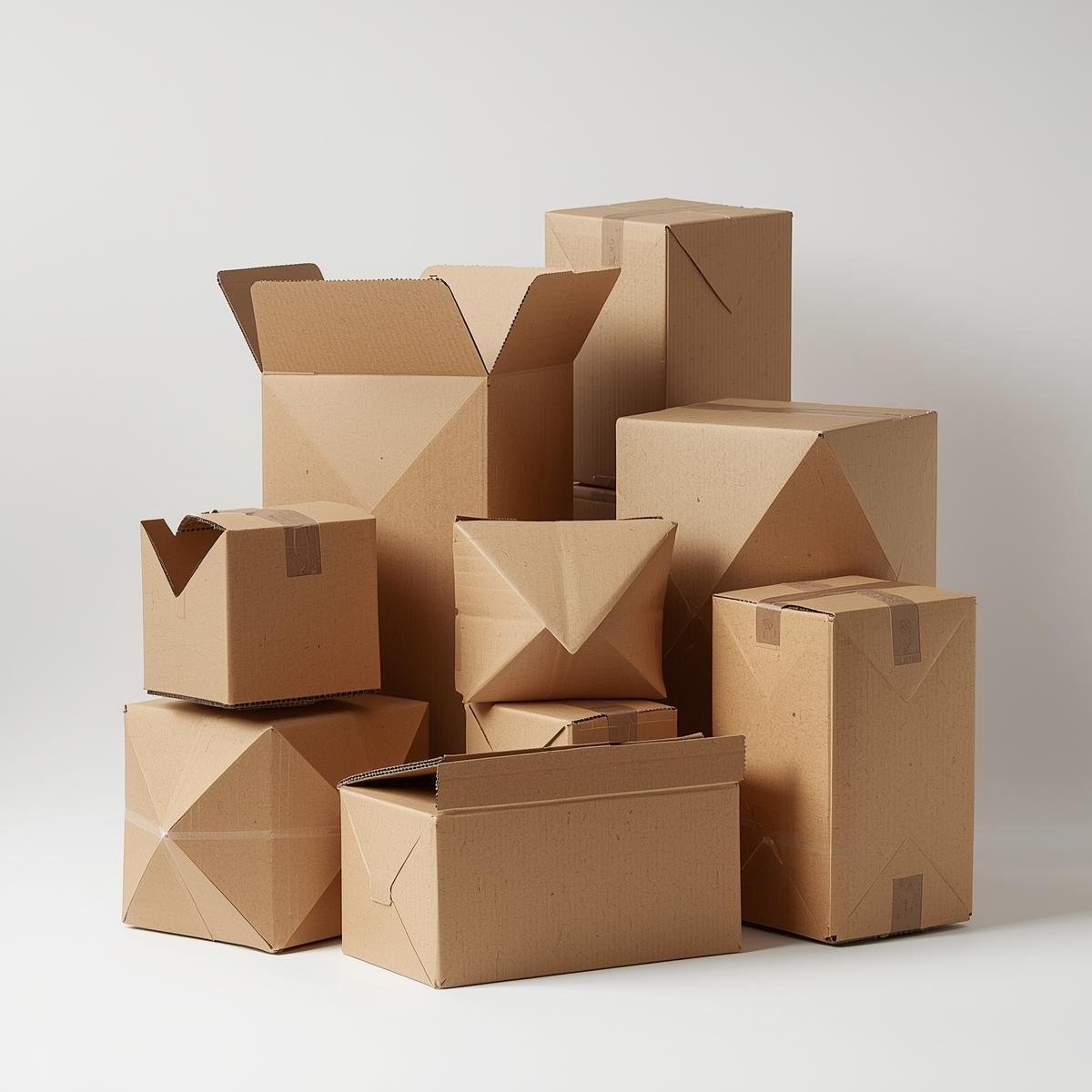
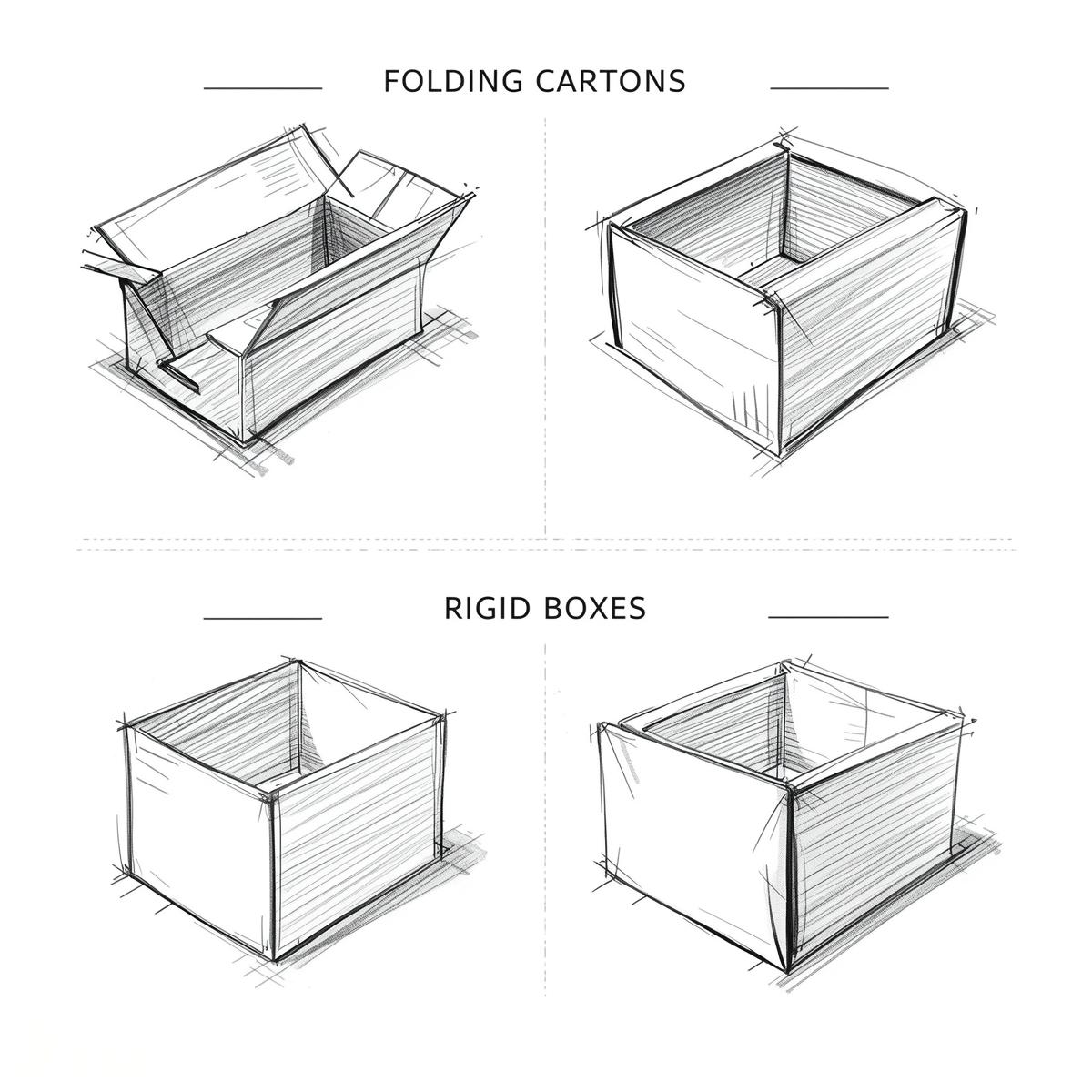
Folding cartons are lightweight boxes made from paperboard that ship flat and are assembled during packaging. They are cost-effective and efficient for storage and transportation. Folding cartons are widely used for food, cosmetics, and retail products. Their flexibility makes them suitable for many applications.
What Are Rigid Boxes
Rigid boxes are pre-assembled and made from thicker, sturdier materials. They do not fold flat and offer a premium feel. Rigid boxes are often used for luxury products and gift packaging. Their structure enhances perceived value.
Cost Differences Between the Two
Folding cartons are generally more affordable due to simpler materials and shipping efficiency. Rigid boxes require more material and labor. This results in higher production costs. Budget considerations often influence the choice.

Durability and Protection
Rigid boxes provide superior protection due to their thickness and structure. Folding cartons still offer adequate protection for many products. The required level of protection depends on product fragility. Durability should match product needs.
Branding and Visual Impact
Both options support custom printing and finishes. Rigid boxes often feel more premium and substantial. Folding cartons offer excellent print surfaces for branding. Visual goals influence packaging selection.
Storage and Logistics Considerations
Folding cartons save space during shipping and storage. Rigid boxes require more storage capacity. Logistics costs vary depending on structure. Efficiency is an important factor for large-scale distribution.
Sustainability Factors
Folding cartons typically use less material and are easier to recycle. Rigid boxes may require more resources but can be reused. Sustainability goals influence material choice. Brands should consider environmental impact.
Choosing the Right Packaging for Your Product
Product type, budget, and brand positioning all affect the decision. Some brands use both options for different product lines. Testing helps determine the best fit. The right structure supports product success.
Working with a Packaging Expert
Professional printers help evaluate structural options. They consider cost, branding, and functionality. Expert guidance simplifies decision-making.
Light Printing House helps businesses choose between folding cartons and rigid boxes for nationwide packaging needs.